Introduction
In today’s fast-paced digital era, security is no longer just an IT concern—it is a global priority. With cybercrime damages projected to reach $10.5 trillion annually by 2025 (source: Cybersecurity Ventures), protecting personal and organizational data has become more critical than ever. And at the heart of this battle lies the question: are AI-powered passwords the future, and will they replace traditional logins by 2026?
The rise of artificial intelligence is transforming how we authenticate users, manage credentials, and secure digital systems. Unlike traditional alphanumeric logins, which are often weak, repetitive, or stolen, AI-powered passwords promise a future of dynamic, adaptive, and context-aware security. But is this future truly near? Let’s explore.
What Are AI-Powered Passwords?
AI-Powered Passwords Explained
AI-powered passwords are not “passwords” in the traditional sense. Instead, they use artificial intelligence to generate, analyze, and adapt authentication in real-time. This could include:
- Behavioral Biometrics: AI identifies users by keystroke patterns, typing speed, or mouse movements.
- Adaptive Authentication: AI adjusts login requirements based on user location, device, and activity.
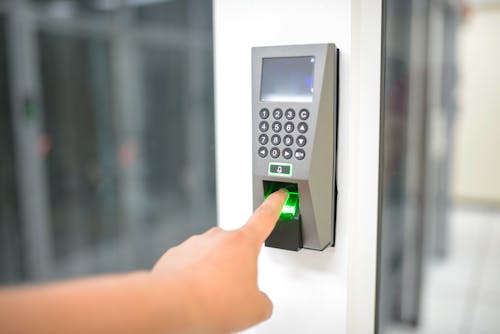
- Passwordless Systems: Instead of memorizing a code, users authenticate through AI-driven biometrics, voice recognition, or facial scanning.
How They Differ From Traditional Logins
- Traditional logins rely on static combinations (username + password).
- AI-powered passwords are dynamic, adjusting constantly to threats.
- They remove human error—no need to remember or reuse passwords.
Why Traditional Logins Are Becoming Obsolete
Weaknesses of Traditional Passwords
- Easily Guessable: Most users pick simple passwords.
- Reused Across Accounts: A single breach can compromise dozens of accounts.
- Vulnerable to Phishing & Brute Force Attacks: Hackers exploit weaknesses daily.
Security Statistics That Prove the Problem
- 81% of hacking-related breaches involve stolen or weak passwords. (Source: Verizon DBIR)
- 59% of people reuse their passwords across multiple platforms.
With numbers like these, it’s no wonder businesses and users are searching for better alternatives.

The Rise of AI-Powered Passwords by 2026
Predictions and Trends
- By 2026, industry experts predict over 70% of enterprises will adopt AI-powered authentication systems.
- Passwordless technologies (such as FIDO2 and biometric AI) are already being implemented by companies like Microsoft, Google, and Apple.
- Governments are also pushing for AI-driven security frameworks.
Why AI-Powered Passwords Will Dominate
- Smarter Security: AI identifies unusual behavior instantly.
- Scalability: Works across devices, platforms, and industries.
- Convenience: Users won’t have to remember long strings of characters.
Advantages of AI-Powered Passwords
For Individuals
- No more memorizing passwords.
- Safer online shopping, banking, and social networking.
- Enhanced privacy with biometric-based logins.
For Businesses
- Reduced data breaches and financial losses.
- Improved customer trust and brand reputation.
- Compliance with modern cybersecurity regulations.
For Governments and Institutions
- Stronger protection for national security data.
- Reduced identity theft and cyber terrorism.
Challenges of AI-Powered Passwords
Privacy Concerns
- Some users may feel uncomfortable with facial scans or voice recognition.
- Data misuse risks if biometric data is hacked.
Cost of Implementation
- AI-powered systems require advanced infrastructure.
- Small businesses may struggle to adopt quickly.
Human Resistance
- Many people still prefer the familiarity of traditional passwords.
- Adoption may take time despite security benefits.
AI-Powered Passwords vs Traditional Logins: A Side-by-Side Look
| Feature | Traditional Logins | AI-Powered Passwords |
|---|---|---|
| Security | Weak (static, hackable) | Strong (dynamic, adaptive) |
| Convenience | Low (need to remember) | High (no memorization) |
| Cost | Low setup cost | Higher initial cost |
| Adoption | Universal | Emerging, growing fast |
| Future-proof | No | Yes |
Future Outlook: 2026 and Beyond
Will Traditional Logins Die by 2026?
The short answer: Yes, but not completely. By 2026, traditional logins will still exist for low-risk applications, but most critical systems will adopt AI-powered authentication.
Hybrid Models
For a few years, we may see hybrid models combining both methods:
- Traditional password + AI monitoring.
- Biometric login with fallback password.
Long-Term Vision
By 2030, experts predict that traditional logins may disappear entirely, replaced by advanced, AI-driven identity systems.

Internal Links to Explore More on BrainScrolls
- 📘 Best AI Tools for Students in 2025 – Learn how AI is reshaping education.
- 📘 How Netflix and Spotify Use AI to Read Your Mind – Discover AI personalization.
- 📖 The Prompt Engineer’s Vault: 200+ ChatGPT Prompts – Your toolkit for AI-powered productivity.
- 📖 5-Minute Mindfulness Tactics for ER Medical Staff – Stress-busting strategies backed by science.
External Sources for Authority Linking
- Microsoft Passwordless Security – Microsoft’s take on going passwordless.
- FIDO Alliance – Standards for passwordless authentication.
- World Economic Forum on Cybersecurity – Global perspective on security.
Conclusion
AI-powered passwords are not just a trend—they are a revolution in cybersecurity. By 2026, traditional logins will rapidly decline, giving way to dynamic, adaptive, and biometric-driven authentication systems. While challenges exist, the benefits are far too significant to ignore. From individuals to governments, everyone will be touched by this change.
So, will traditional logins die by 2026? The writing is on the wall: AI-powered passwords are here to stay.
Final Thoughts
If you want to dive deeper into how AI is shaping our world—from security to creativity—don’t miss the insightful blogs and eBooks available right here on BrainScrolls.com. The AI-driven future is not coming—it’s already here.